






The mechanics behind the asset
How Maturation Works
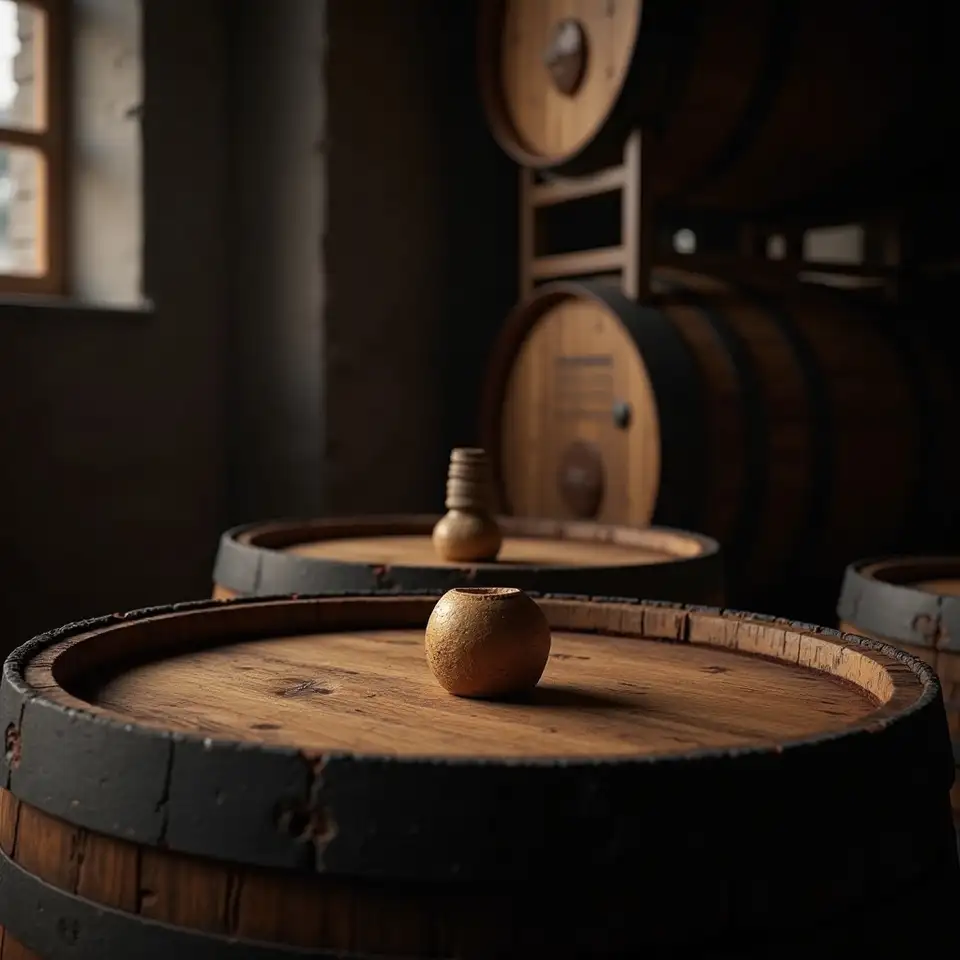
Every year, a portion of the spirit inside a cask evaporates through the wood. In Scotland, this loss — known as the angel's share — typically runs at a modest annual rate, but it compounds meaningfully across a decade or more. A cask held for ten years will contain materially less volume than it did at fill. This has direct implications for the economics of the holding. The remaining spirit, if the maturation has developed well, may carry greater value per litre than it did at fill — but the investor is working with a smaller quantity of it. I factor the angel's share explicitly into every honest discussion of a cask's position at a given age, because failing to account for it produces a distorted picture of what the holding actually represents. It is also worth noting that evaporation is not uniform. Warehouse conditions, cask condition, and seasonal variation all affect the rate. A cask stored in a coastal warehouse at altitude will behave differently from one held inland in a temperature-controlled environment. These are not minor footnotes; they are active variables in the assessment of any specific holding and its realistic outlook over the intended holding period.
Bring your questions — I respond carefully and without commercial pressure
This page is the structured reference I wanted when I started. It covers the mechanics of maturation, the factors that shape valuation, the exit routes that realistically exist, and the risks that deserve honest acknowledgement before any commitment is made.
Valuation in this market requires context, comparison, and honest acknowledgement of uncertainty — not a formula applied mechanically to a set of inputs.
The originating distillery's current standing among bottlers and collectors is a factor that cannot be reduced to a number but cannot be ignored either. A cask from a distillery that has attracted significant critical attention in recent years will be assessed differently from one whose profile has faded. This reputational dimension is real, it shifts over time, and it is one of the reasons that provenance assessment requires current market knowledge, not just historical records.
The exit landscape for whisky cask holdings is more varied than it first appears, and each route carries its own timing, pricing, and preparation requirements.
Private sale to another collector or investor is the most direct exit route and, when executed well, can offer the most favourable pricing. It requires the seller to identify a credible buyer, negotiate terms, and manage the transfer of ownership documentation — including warehouse receipts, HMRC duty records, and any third-party certificates of ownership. This route rewards investors who have maintained clean documentation throughout the holding period and who have a network or a broker capable of reaching serious buyers at the right moment.
Understanding whisky cask maturation means understanding the physical process, the market structures around it, and the patience the holding period genuinely demands from any serious investor.
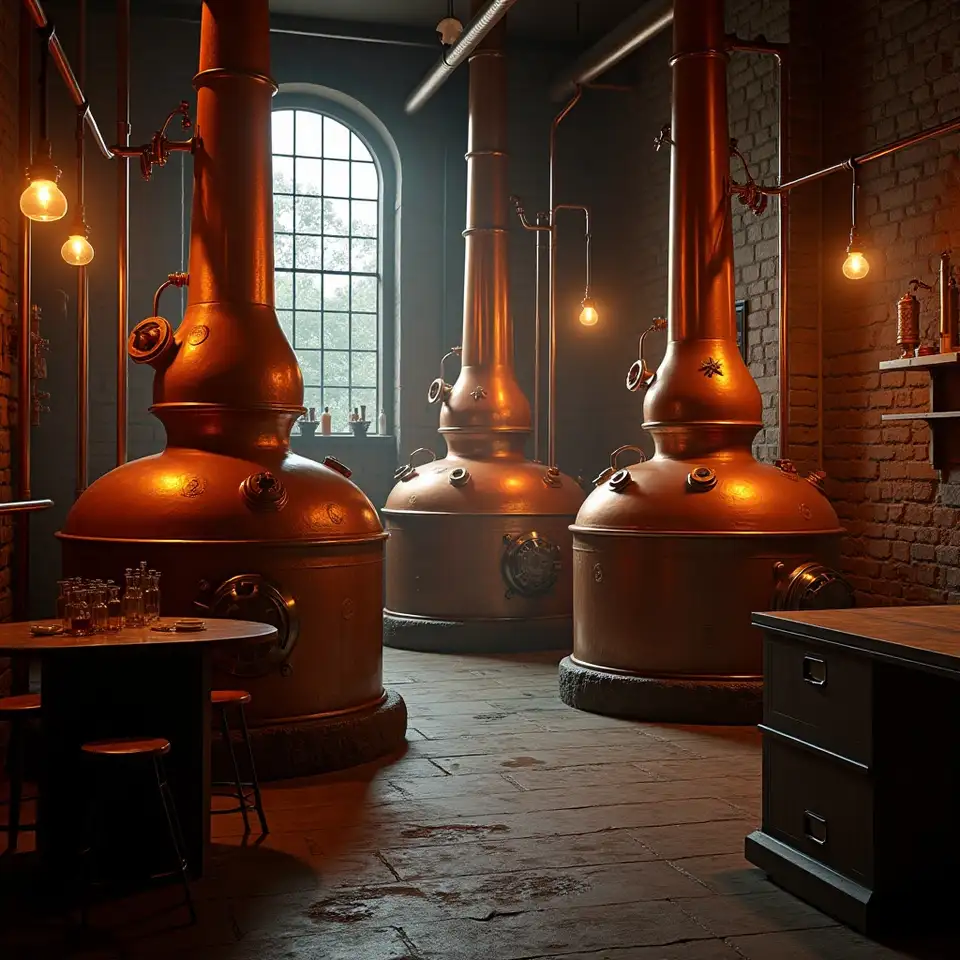
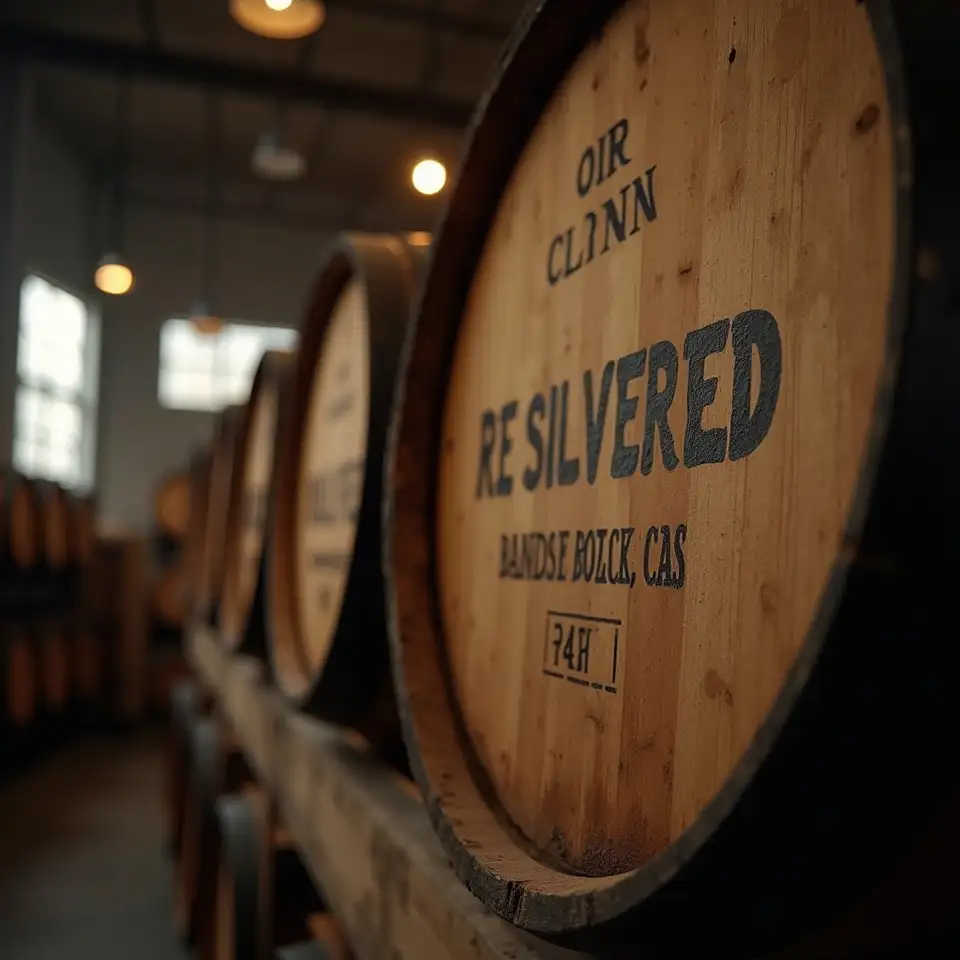
Bonded warehouse storage in Scotland