Past performance does not guarantee future results — always seek independent advice.

Our Approach in Practice

I've spent years watching investors overlook the physical, time-bound nature of whisky cask maturation — here is what a more deliberate approach actually looks like.

1

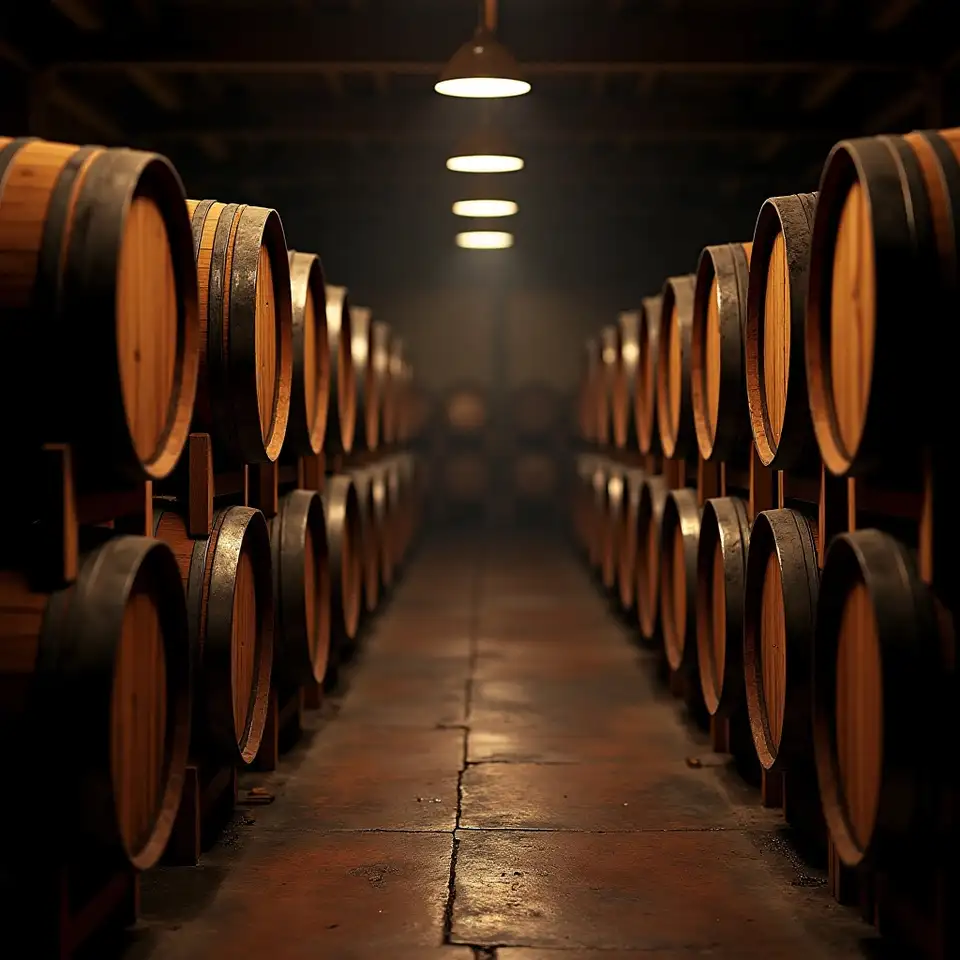
Casks resting in bonded warehouses

rows of maturing whisky casks inside a Scottish dunnage warehouse

2

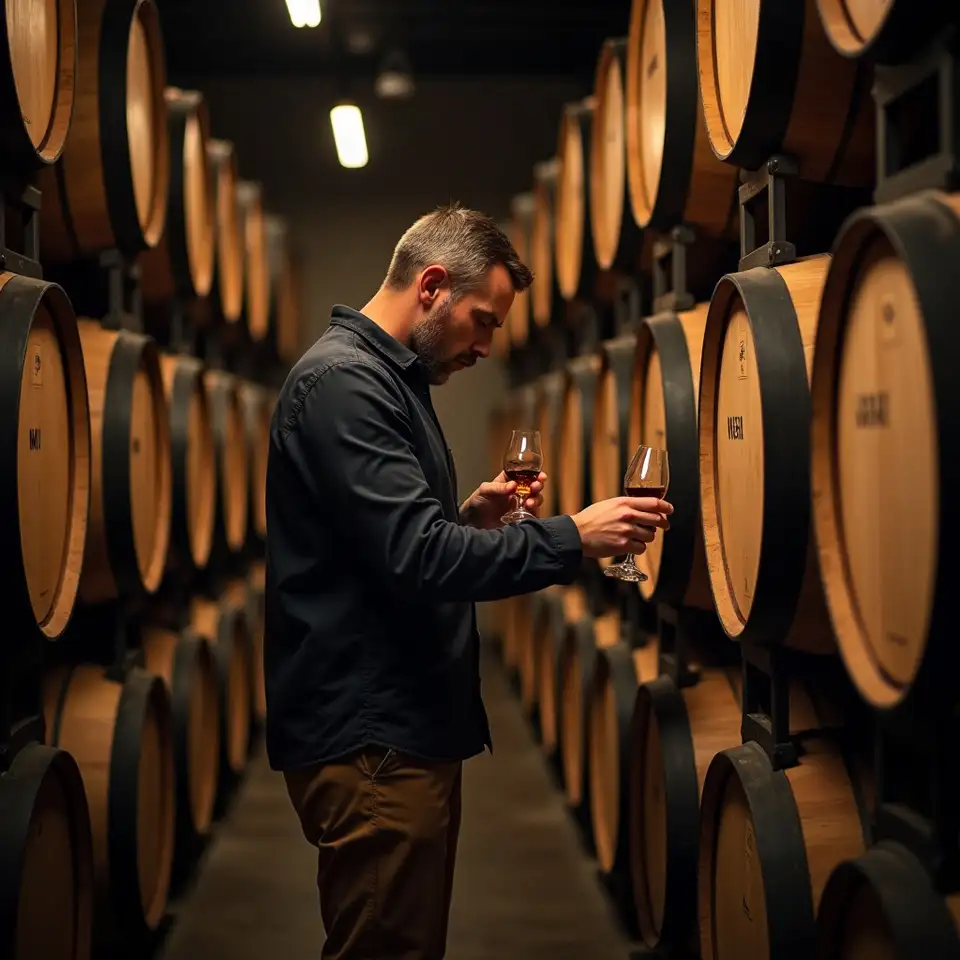
Periodic cask assessment process

specialist conducting a careful sensory inspection of a maturing cask
3

Structured valuation and review

advisors reviewing whisky cask valuation documents at a wooden table

Most investors fixate on entry price. I've found the real work begins the moment the cask is filled and the bung is sealed.

What I Have Learned Watching Casks Age Over Many Years

The maturation timeline is not a waiting room. It is an active, chemistry-driven process that rewards informed oversight.

The Principles That Shape How I Think About Whisky Cask Holdings

Transparency about what is known, honesty about what is uncertain, and a consistent methodology applied across every cask under consideration.
I don't separate the story of a cask from its numbers — both matter equally when forming a considered view.

Provenance is the first thing I examine. A cask from a well-regarded distillery with documented fill records and a clear chain of custody tells a very different story from one offered without verifiable history. The paperwork is not a formality — it is the foundation of any credible assessment of where the asset stands today.

Valuation in this asset class is not reducible to a formula. Comparable sales, current bottled expressions, collector demand, and the age statement trajectory all feed into a picture that requires interpretation, not just calculation. I treat that interpretive work seriously, and I communicate uncertainty where it genuinely exists.

Past performance in whisky cask markets does not guarantee future outcomes, and I hold that principle firmly. What I can offer is a structured way of thinking through the variables — one that helps investors understand what they are holding, what it might become, and what realistic exit routes look like over a multi-year horizon.

thoughtful whisky cask specialist standing in Scottish countryside

Who Is Behind This Approach to Cask Maturation

Experience shaped by years of observation

I came to whisky cask maturation not through finance, but through a genuine fascination with how time and wood transform a spirit. That curiosity became a discipline. Over the years I have studied distillery practices across Scotland, engaged with independent bottlers, and developed a structured way of evaluating casks that goes well beyond surface-level appeal. The methodology I apply — what I call the three-stage assessment framework — covers provenance verification, maturation trajectory analysis, and exit route mapping. It is not a product. It is a thinking process, refined through repeated application and honest appraisal of what worked and what did not. I share this perspective with investors who are prepared to think in years, not months, and who want a clearer picture of a genuinely complex asset class. This site exists to make that picture more accessible — without oversimplifying the risks that are always present.

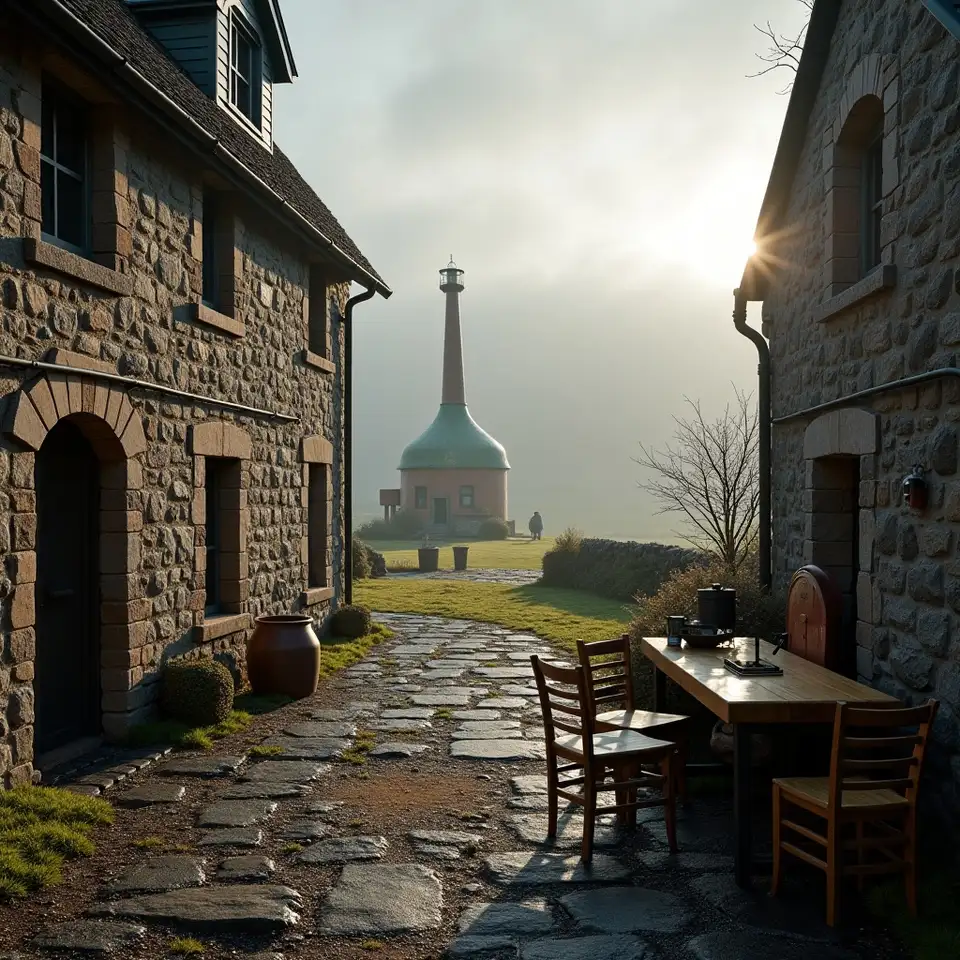
Rooted in the Scottish Whisky Tradition
Understanding the Asset: What Makes a Whisky Cask Hold Its Character Over Time

Before discussing value, I think it is important to understand what is physically happening inside the wood — because that process is the asset.

Maturation is where the spirit and the cask negotiate the final character of what will eventually be bottled.

When new-make spirit enters a cask, it is colourless and sharp. The wood begins working immediately. Lignin, hemicellulose, and residual compounds from the cask's previous contents all leach into the spirit, contributing colour, texture, and flavour complexity. This is not a slow accident — it is a predictable chemical process, though one with considerable variation.

The rate of maturation is influenced by cask size, warehouse environment, and seasonal temperature fluctuation. Smaller casks interact with more wood surface per litre of spirit, accelerating development. Dunnage warehouses — low, earth-floored, and cool — produce a different maturation profile than racked, temperature-variable environments. These distinctions matter when assessing a cask's trajectory.

The angel's share — the portion of spirit lost to evaporation each year — reduces the volume of the holding over time. In Scottish conditions this typically runs at a modest annual rate, but it compounds meaningfully across a decade. I factor this into any honest discussion of what a cask represents at a given age versus what it represented at fill.

I've developed a consistent set of lenses through which I examine any cask under consideration. These are not a checklist — they are interconnected variables that must be read together to form a coherent picture of the holding and its realistic future.

    Distillery Provenance and Reputation

    The originating distillery shapes almost everything downstream. Its production methods, malt sourcing, and standing among independent bottlers and collectors all influence how a cask from that source is likely to be received at the point of exit. I examine documented production records and current market reception carefully.

    Wood Type and Previous Fill History

    Whether a cask previously held bourbon, sherry, port, or wine leaves a lasting imprint on the developing spirit. First-fill casks contribute more vigorously than refill wood. I assess the specific wood type and fill history as a core part of understanding the maturation trajectory and the character likely to emerge.

    Age Statement Positioning

    Where a cask sits on the age spectrum relative to common bottling conventions affects its potential appeal at exit. A cask approaching a commercially significant age statement occupies a different position than one that has many years still to run. I map this positioning explicitly against realistic exit timelines and market demand patterns.

    Warehouse Conditions and Location

    The physical environment of storage is not a background detail — it is an active maturation variable. Altitude, proximity to the sea, and warehouse construction all contribute to the final character. I consider the specific storage conditions of each cask and what they imply for the development of the spirit over the intended holding period.

    Exit Route Clarity and Realism

    A cask with no clear path to exit is a cask with an unresolved question at its centre. I examine the realistic routes available — private sale, auction, independent bottling, or return to the distillery — and assess each against current market conditions. Clarity here is not comfort; it is necessary groundwork for any informed decision.

What I Stand For

I believe the investors who fare best in this asset class are those who understand what they own, why they own it, and what honest uncertainty looks like — before they make any commitment, not after.

Open About Uncertainty

I don't dress up unknowns as knowns. When a cask's future character or market reception is genuinely uncertain, I say so clearly. Investors deserve an honest account of what can be assessed and what remains beyond confident prediction. That honesty is the starting point of any credible conversation about this asset class.

Documented Methodology

My three-stage assessment framework is not a black box. I explain how I evaluate provenance, analyse maturation trajectory, and map exit routes — so that the people I speak with can interrogate my reasoning, not just accept my conclusions. A process that cannot be explained is a process that cannot be trusted.

This site uses cookies

This site uses cookies

We use cookies to understand how visitors navigate this site and to remember your preferences. Some cookies are strictly necessary for the site to function; others help us improve the experience over time. You can accept all cookies, reject non-essential ones, or review each category before deciding. You can change your preferences at any time.

We use cookies to understand how visitors navigate this site and to remember your preferences. Some cookies are strictly necessary for the site to function; others help us improve the experience over time. You can accept all cookies, reject non-essential ones, or review each category before deciding. You can change your preferences at any time.

Strictly Necessary

These cookies are required for the website to operate correctly. They enable core functions such as page navigation and session management. The site cannot function properly without them, and they cannot be disabled through this tool.

Analytics Cookies

These cookies collect anonymised information about how visitors interact with this site — which pages are visited and how long users spend on them. The data is aggregated and helps us improve the site's content and structure over time.

Functional Cookies

These cookies allow the website to remember choices you have made, such as display preferences and consent decisions, in order to provide a more consistent experience across your visits to this site.

Third-Party Cookies

Certain features of this site may involve content or services provided by third parties, which may set their own cookies on your device. We do not control these cookies and recommend reviewing the privacy policies of any relevant third-party providers.